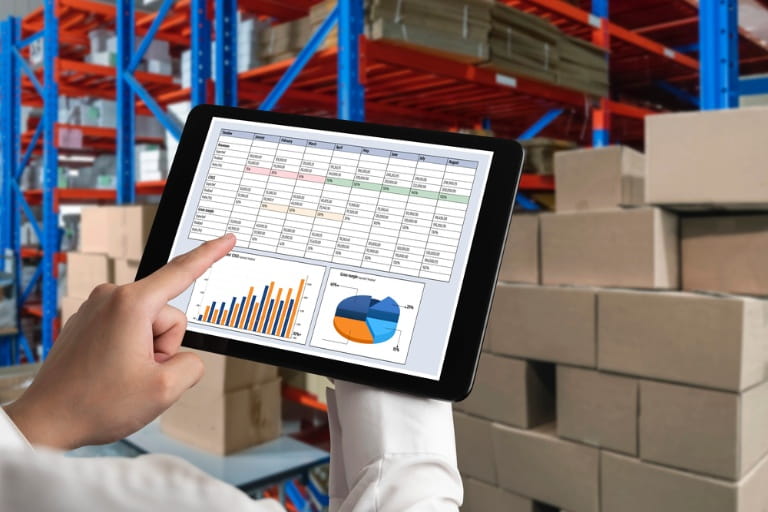
Many companies that experience difficulties during high seasons actually do have enough inventory. What they lack is a suitable logistics system to manage the sudden increase. While inventory is well-managed, transportation capacity is often underestimated and considered at a later stage in the planning process. This is where seasonal business fails.
Start With Your Specialized Shipping Requirements, Not Your Volume Forecast
Before you think about how much you’re moving, think about how demanding it is to move. High-velocity goods with specific handling needs – perishables, heavy liquids, temperature-controlled items – bring compliance and equipment needs with them. Needs that, if not properly slotted in ahead of the chaos, will simply prevent you from finding capacity when the time comes.
Beer is the perfect example. Regulatory and physical requirements around beer transportation often include weight restrictions, specialized tankers or reefer units, and route-specific licensing that varies by region. If that equipment isn’t pre-vetted within your carrier network ahead of your peak shipping weeks, nothing else matters. You can’t meet demand.
The same is true for any cold chain. Figure out your most specialized needs on the lane-level in the first quarter or two of the year. Which lanes demand temperature compliance? What SKUs demand specific container types? Which carriers specialize in these lanes and are you in competitive negotiations with the ones you want before the broader market faces equipment scarcity?
Build A Multi-Carrier Strategy Before You Need One
Relying solely on a single-carrier relationship may seem less complicated on the surface, but it opens you up to last-minute surprises out of your control.
Diversifying your carrier base isn’t just a contingency measure – it’s a competitive advantage. When your primary carrier hits capacity limits, faces service disruptions, or simply can’t accommodate your specialized requirements during peak weeks, a pre-vetted bench of secondary and tertiary carriers means you’re making a phone call, not a desperate scramble. The goal isn’t to fragment your volume unnecessarily; it’s to have negotiated relationships, understood rate structures, and confirmed equipment availability across multiple providers before the season forces your hand.
Carriers reward shippers who bring them consistent, predictable freight – so the time to build those relationships is in the quiet months, when you have leverage and they have availability.
Reposition Inventory Closer To Demand, Not Closer To Your Warehouse
Proactive inventory positioning with regional distribution centers or third-party fulfillment nodes can get product closer to end customers before the orders even roll in. The most significant advantage is that you’re not letting the market completely dictate your costs; for a lot of seasonal items, transportation is a commodity type of cost because it’s necessary. This way, you control more of it. It’s just a reality of the game that lead time is a make-or-break decision point for peak season orders and commodities transport not under your direction can be relatively high compared to the margin on the good you’re actually moving.
Cross-docking can also come into play if you’re quickly moving a lot of volume and are trying to reduce storage time to a minimum. Essentially, you have goods moving directly from inbound carrier to outbound without ever being stored in the middle. Again, this has some risks and challenges, and should be used very carefully. However, if your bottleneck is the time goods spend on your shelves, stopping the chain of production to warehouse items is especially damaging when a delay compounds fast.
A good rule of thumb is that your specific logistics decisions should reflect the bigger reality of your inventory strategy. So, as another internal exercise, do an SKU rationalization a few months out from your seasonal push and adjust your logistics decisions accordingly. If your transportation team is managing 200 products but 40 of them drive 80% percent of your seasonal revenue, those 40 have to be given special consideration and probably deserve dedicated transportation planning. Lead time and other critical decisions are what the remaining 160 will depend upon to move out efficiently.
Use Visibility Tools To Reduce Customer Service Load, Not Just Track Shipments
Real-time tracking is often seen as a customer-centric solution. But as a customer, when you know where your order is, you simply don’t pick up the phone to ask. And that’s as valuable for your team when capacity is tight.
71% of shippers tout real-time tracking and visibility to manage supply chain disruptions in times of peak demand. This means that if your customers can already answer the “where’s my order” question, your team isn’t fielding those calls when everything else is stretched thin during peaks.
If you were confronted with that scenario, don’t put too much pressure on yourself. Just store it in the back of your mind for future reference. Solution: Transportation Management System (TMS). Beyond providing that real-time visibility, if you tap into the right service, it’ll also give you automatic carrier selection, On-Time In-Full (OTIF) reporting, and pre-warning of potential issues that will drive customer calls.
Flatten The Demand Curve Before It Peaks
A strategic play that is often overlooked: early order incentives. When customers place orders two or three weeks before peak dates, you stretch your fulfillment window upfront, leveraging unused capacity.
Discounts, priority allocation, or guaranteed delivery dates give customers a reason to order early. Demand is constant, but it moves forward in time, exactly what an elastic logistics network needs to absorb it efficiently.
Then safety stock becomes the cushion it is meant to be and not the strategy you depend on. You need to add some buffer, but the entire point of an elastic logistics network is to have a transportation system that grows with the demand – one that is already in position, pre-procured, and visible.
If you leave freight to the last minute, you just pile up against the same capacity wall. If you plan your transportation layer first, you have choices.
