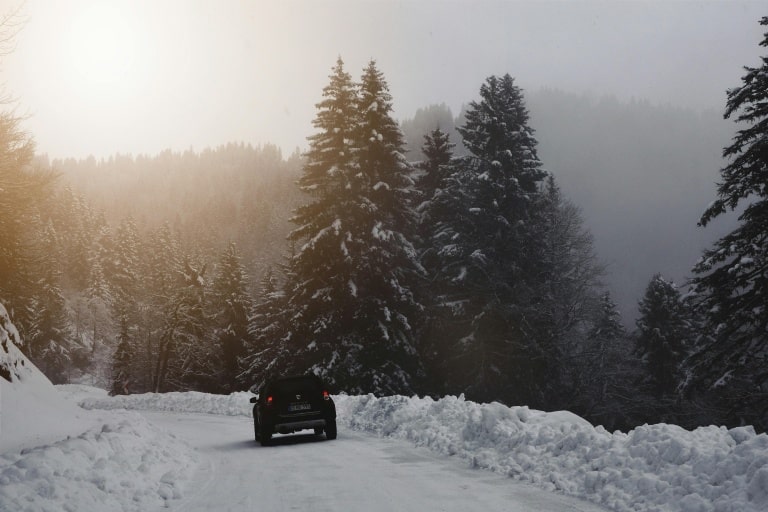
Winter mornings in the U.S. often feel like a battle against the elements. Most roads in this country sit in regions that get plenty of snow every year. In fact, the Federal Highway Administration reports that more than 70% of the roads in the country are located in snowy regions, making driving in winter dangerous.
That risk is far from theoretical. Around 24% of weather-related crashes are caused by winter road conditions. Meanwhile, another 15% happen during active snowfall or sleet. Even more concerning, over 1,300 people lose their lives, and more than 116,800 are injured annually in crashes linked to snowy or icy road conditions.
You can make your winter commute a whole lot safer if you adopt some smart habits. Below, we’ll share them; dive in, then!
Don’t Skip Vehicle Prep Before You Leave
Cold temperatures exert significant stress on chemical and mechanical components of vehicles. If you don’t prepare your vehicle properly, it is much more likely to break down or fail while you are on the road.
Before you leave, take 10 minutes to prep the car. Clear snow from all windows, mirrors, and lights before departure using an ice scraper. Snow left on the roof or hood is particularly dangerous. It can slide onto the windshield during braking. It can also blow off at high speeds, blinding following drivers.
Cold weather leads to a reduction in tire air pressure. It typically drops 1 pound per square inch (PSI) for every 10° temperature drop. Under-inflated tires do not grip the road as well.
A quick visual check for any obvious damage or deflation is usually enough. Inflate the tires before leaving if they appear deflated.
Visibility is often the first thing to go in a snowstorm. Road salt and slush can cover a windshield in seconds. Make sure the washer fluid reservoir is full. That way, you can get clear visibility. Give your wipers a quick check before you head out. Replace them right away if they leave streaks.
Drive Slow and Increase Following Distance
The rules of physics change when you’re on the road. On dry roads, stopping is relatively quick. But stopping distances can increase by 2 to 6 times on ice. A vehicle at 60 km/h needs 45 meters on dry roads. On ice, that same vehicle needs over 80 meters.
For your safety, drive slower than usual. Lower speeds provide more time to detect and respond to hazards.
Take Colorado Springs, for instance, to understand the perils of winter driving. Early in December 2025, police issued an “accident alert” after multiple crashes due to heavy snowfall between I-25 and Sage Street. Springs Law Group notes that snow, ice, and rain make roads slick and harder to see, which often leads to drivers sliding or losing control.
Now, say someone drives through I-25 and Sage Street at high speed, their chances of getting into an accident are high. If they injure someone due to excessive speeding, a personal injury lawyer in Colorado Springs can help the victim seek compensation. But if they drive slowly, the likelihood of a traffic crash is reduced to a great extent.
Aside from driving slowly, increase the following distance. In the summer, a 3-second following distance is usually fine. But it’s safe to increase this to 8 or 10 seconds in winter. This extra space acts as a safety buffer. It gives you time to react if the car in front spins out. It also allows for very gentle braking.
Be Extra Cautious at Intersections
Intersections are the most common site for winter accidents. Frequent stopping and starting polishes the ice into a glaze. This makes intersections much slicker than the open road.
Start braking much earlier when approaching a stop. This gradual slowing alerts the drivers behind you. It also allows you to test your vehicle’s traction.
Large snowbanks at corners also block sightlines, creating “snow mountains” that can hide small vehicles, cyclists, or pedestrians. Slow down, inch forward carefully, and take a moment to fully scan for cross traffic before proceeding.
Intersections are also hot spots for black ice due to idling vehicles and repeated tire compression. Black ice is a thin, nearly invisiWhat causes black ice, the dangerous condition that causes cars and people to slip? – CBS Bostonble layer of frozen water that forms most often in early morning when temperatures hover around freezing.
Watch for visual clues. Dark, dull pavement often signals ice. Glossy patches on cold days are also high-risk areas. Use the “road spray trick”. If the road looks wet but tires produce no spray, the surface is likely frozen. Staying alert at intersections can prevent serious winter accidents.
Your early morning winter commute doesn’t have to be stressful or dangerous. You can navigate winter roads confidently and safely with a bit of preparation and mindful driving habits.
These small actions don’t take much extra time, but they can make a big difference in preventing accidents and easing stress.
Most importantly, be patient when you’re on the road. That way, you don’t just protect yourself, but also contribute to a safer commute for everyone sharing the road.
